Most allergists have experienced rising practice costs, staffing expenses, and regulatory requirements. Medicare physician reimbursement has failed to keep pace with these rising costs. At the same time, commercial insurers increasingly adopt policies that add administrative burdens, reduce payments, and interfere with patient care decisions.
These challenges affect every aspect of allergy practice — from providing allergy immunotherapy to maintaining independent practices and ensuring patients have timely access to specialty care.
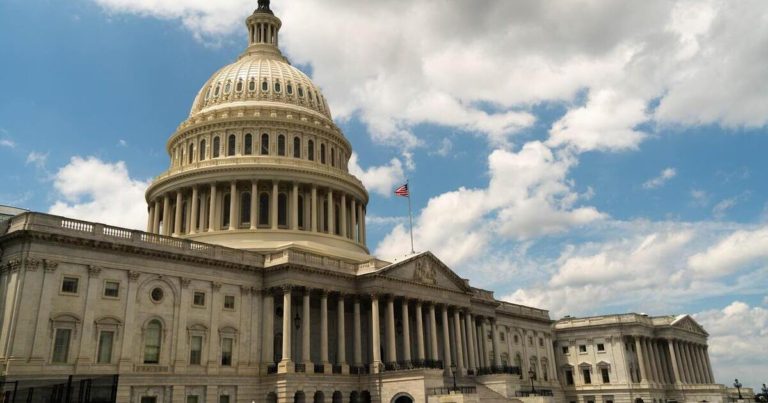
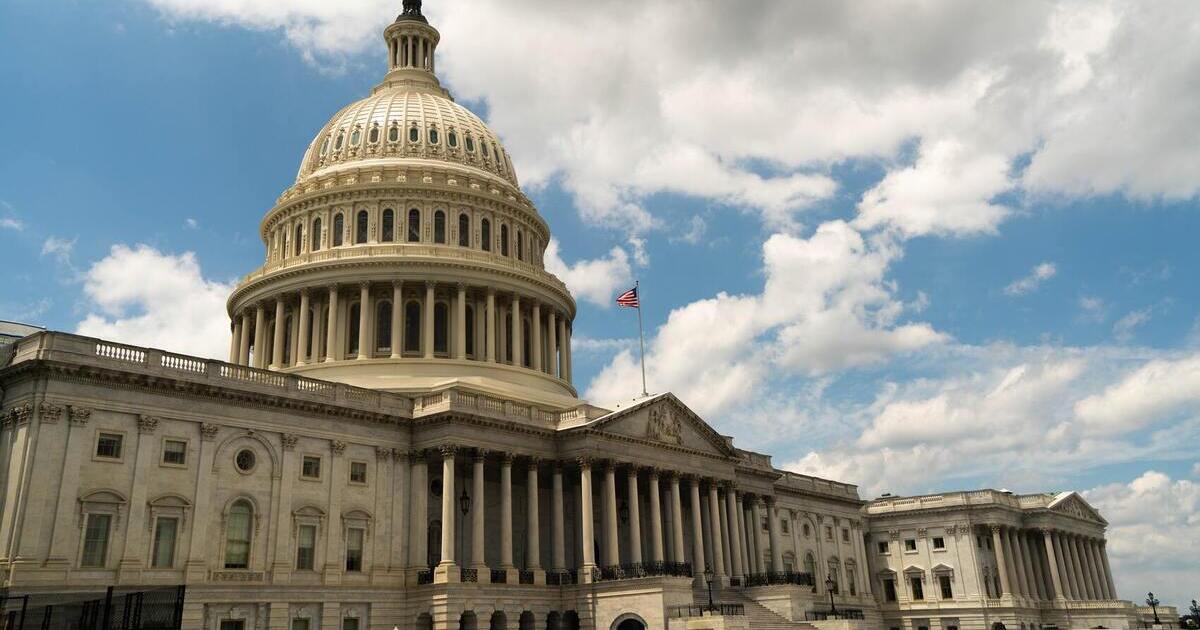
Because of this, ACAAI continues to aggressively advocate for meaningful reforms in Washington. Recently, the House Energy & Commerce Health Subcommittee announced a hearing examining the Medicare Physician Fee Schedule (PFS) and MACRA, the federal law governing many Medicare physician payment policies. In advance of that hearing, the Advocacy Council developed and distributed a detailed policy brief to every member of the subcommittee that outlined the serious financial and administrative pressures facing physicians, including allergists.
This is another example of The College taking meaningful action to influence healthcare policy — not only on behalf of medicine broadly, but specifically for our specialty. Our advocacy efforts are ensuring lawmakers understand how current reimbursement policies and payer practices directly impact allergists, their practices, and their patients’ access to care.
The report highlighted several critical issues:
- Medicare’s flawed reimbursement policy for allergy immunotherapy preparation (CPT 95165) creates confusion, underpayment, and risks that are increasingly being replicated by commercial insurers.
- Physicians are the only major Medicare provider group to experience net payment reductions in recent years.
- Medicare physician payments have failed to keep pace with inflation for more than two decades.
- Administrative burdens from programs like MIPS continue to increase costs and complexity for physician practices.
The policy brief also outlined practical solutions, including inflation-based physician payment updates, reforms to budget neutrality rules, simplification of MIPS, and reduction of administrative burdens across the healthcare system.
The subcommittee met on May 20 to spotlight Medicare reimbursement issues. Read a summary of the meeting.
This work complements ACAAI’s broader advocacy agenda, including continued support for the Allergy and Asthma Patient Protection Act (AAPP), which the College developed with Rep. Bob Onder (R-MO-03). It seeks to address harmful payer practices that interfere with physician decision-making and patient care.
We were encouraged to receive immediate positive feedback from Congressional staff, including members associated with the House Doctors Caucus. As the leader in advocacy for allergy/immunology, the College’s Advocacy Council will continue working to ensure that the voice of allergists is heard as Congress considers reforms that will shape the future of physician practice and patient access to care.
The Advocacy Council – ADVOCATING FOR ALLERGISTS AND THEIR PATIENTS.