Confirming diagnoses
The Advocacy Council regularly receives queries from members on how to correctly code. Many are common issues, including for coding unconfirmed diagnoses.
Medical Liability Insurance Increases
The AMA noted medical liability premiums between 2019 and 2022 have increased at a rate that hasn’t been observed in more than two decades.
2023 MA Final Rule
The Final Rule clarifies requirements regarding coverage criteria for basic benefits, including allergy services.
Expiration of COVID HIPAA Enforcement Discretion
To help providers come into compliance with the HIPAA Rules on telehealth, OCR is providing a 90-day transition period ending August 9, 2023.
2023 Strike Force
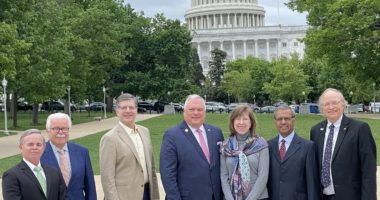
As the leader in advocacy for allergy and immunology, the College sent seven of your colleagues to Washington, DC to represent our concerns to legislators
Insider Update: It’s not too late to join your Colleagues in the West Coast Region
There’s still time to join the College’s HOD virtual West Coast Regional Town Hall Meeting on Thursday, May 11; 5:30 – 6:30 pm PT.
Insider Update: ACAAI joins AAN Advocacy Day
Today, patient advocates and allergists join forces and visit their representatives in Congress to discuss issues important to people with allergic conditions.
Insider Update: Advocating for you on World Allergy Day
On your behalf, these members are focusing on issues most pressing to allergists, their practices and their patients.
Physician payment reform is a top priority
The new formulary would better enable practices to respond to regulatory rules, program performance adjustments and inflation.
ACAAI House of Delegates starts the year strong
The College’s House of Delegates wants you to be aware of its activities. Following is a summary of the first quarter of 2023 activities.
… results in Advocacy Resources.