Welcome to the ACAAI 2026 Annual Scientific Meeting! We’ve put together a stellar meeting with top-notch education, outstanding networking and opportunities for fun.
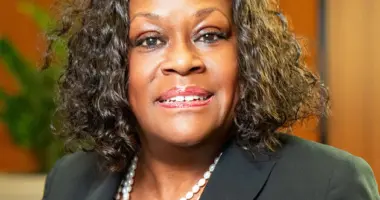
I have been honored to serve as 2025-26 President of the American College of Allergy, Asthma & Immunology. It is a pivotal time for medicine and our specialty, with many challenges and opportunities. The College stepped up to meet anything that came its way, with the help of members, committees and staff. I have been proud to be part of the process.
I’m also proud to be part of a unique moment in allergy/immunology leadership history. Black women are leading the two national allergy/immunology organizations – myself as the ACAAI president and Dr. Carla M. Davis as president of the American Academy of Allergy, Asthma & Immunology. It is an opportunity to lend perspective to many aspects of growing the allergy workforce and continuing to meet the diverse needs of our members and patients.
A challenge and opportunity of the current state of allergy/immunology is the need to draw more physicians into our specialty. One of my central initiatives has been to increase interest in the College’s SPARK Award from historically Black medical colleges and universities (HBCUs). The SPARK Award Program’s goal is to encourage medical residents to consider a career in allergy/immunology. This year, a record-breaking 21 SPARK Award recipients have come from HBCUs. In total, there are 60 SPARK Awards this year. Recipients attend the ACAAI Annual Meeting, are mentored by allergy Fellows-in-Training, and interact with training directors and other allergists. This program is a great pipeline for future allergist/immunologists.
Another way the College is addressing the shortage of allergists/immunologists in the United States is the Pathways to Practice (P2P) program – started by James M. Tracy, DO, FACAAI, 2024-25 ACAAI President. The program supports the training of 16 allergy/immunology fellows through grants awarded annually. The application process for 2027 grantees will open in February.
Efforts from our ACAAI Advocacy Council have grown tremendously this year. Prior authorization, physician reimbursement, and insurers’ increasing demands for medical records are just a few of the issues the Advocacy Council has addressed at the local, state and national levels. Members of the Advocacy Council travel to Washington, DC, every year to speak directly to congressional members and their staff. Our voices are being heard, and the Advocacy Council will continue to speak for physicians, patients and the specialty on these matters and new issues that arise.
The College hosted its inaugural Advocacy Summit in March. This program brought together 25 HOD State Delegates to strengthen their advocacy skills. Interactive sessions provided a high‑level outline of the advocacy landscape and effective advocacy at both the state and national levels, media engagement training, and role-playing exercises where attendees analyzed legislation and worked to persuade “legislators” to support or oppose it. The event was highly successful and valued by attendees, and the College plans to host a similar event in 2027.
While focusing on current needs, the College always has an eye toward the future. At its board meeting during the ACAAI 2026 Annual Scientific Meeting, the Board of Regents will review and approve the 2027-29 strategic plan, which provides a proactive framework to support and engage our members, advocate for our patients and increase public understanding of our specialty.
Building for the future also includes laying the foundation for leadership. The annual Leadership Summit is an opportunity for young aspiring leaders to gain communication and leadership skills to benefit them personally and professionally. Quite a few past participants in the summit have assumed meaningful roles in the College, with some of them advancing to be regents on the ACAAI board.
It’s been a busy, rewarding year, with a positive outlook for the future. The College is in a solid position going into 2027 and beyond. With the collaboration of our leaders, members, committees and staff, we’re addressing short- and long-term needs and challenges.