Advertisement

2026 CA2PER Grantees

| June 24, 2026

2026 CA2PER Grantees

The College’s CA²PER program has awarded two $100,000 grants this year. These innovative projects advance the CA²PER program’s mission to translate collaborative research into powerful advancements in allergy care. Learn more about the research teams and the work they are undertaking as our newest grantees.

Project title: FIRST BITES (Food Introduction for Risk reduction, Support Tolerance: Behavioral Intervention for Toddler Eating Success): A Multi-Site Community-Based Translational Study of Early Peanut Introduction with Behavioral Reinforcement.
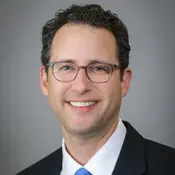

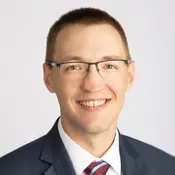
J. Andrew “Drew” Bird, MD, FACAAI

Gary N. Gross, MD, FACAAI

Drs. Bird and Gross are leading a multi-site pilot study to implement community-based feeding events to help caregivers build confidence, increase self-efficacy, and reduce anxiety surrounding early peanut introduction. The team will examine how health behavior changes relate to perceived benefits and barriers to early introduction in real-world community settings.

The research team includes:

  • Academic Investigators: J. Andrew “Drew” Bird, MD, FACAAI (University of Texas Southwestern Medical Center); Amy Scurlock, MD (Arkansas Children’s Research Institute); Stephanie Leeds, MD (Yale).
  • Community Investigators: Gary Gross, MD (Dallas, TX); Adam Price, MD (Little Rock, AR); Agnieszka Matczuk, MD (New Haven, CT).
  • Behavioral Health Support: Grace Cushman, PhD.


Project title: BREATH: Biologic REsponder Analysis using Targeted High-dimensional profiling

Thanai Pongdee, MD

Mitchell Pitlick, MD

Drs. Thanai Pongdee (Mayo Clinic) and Pitlick (Omaha, NE) are collaborating alongside academic co-investigator Sergio Chiarella, MD, FACAAI (Mayo Clinic) to identify biomarkers that predict patients’ responses to specific biologic therapies, with the goal of optimizing asthma treatment. The team will characterize patients who switch biologics, examine switching patterns, and investigate the underlying factors driving these changes. Drs. Pongdee, Pitlick, and Chiarella will explore the clinical utility of transcriptomic and proteomic signatures by prospectively collecting biospecimens during longitudinal patient follow-ups.

Read more about these projects in the upcoming Summer 2026 issue of College Advantage.

Secret Link

Advertisement