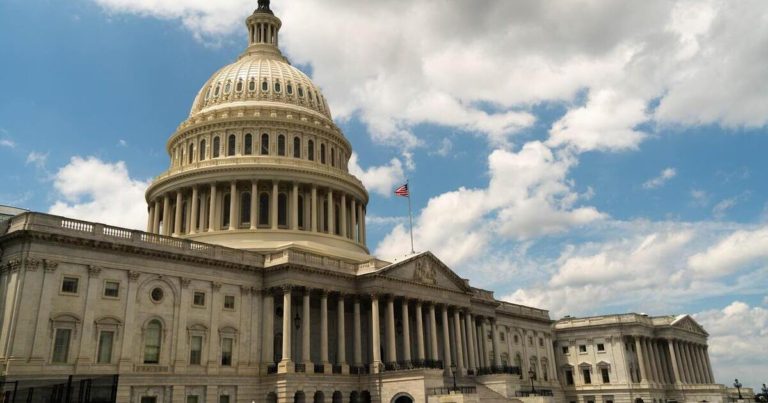
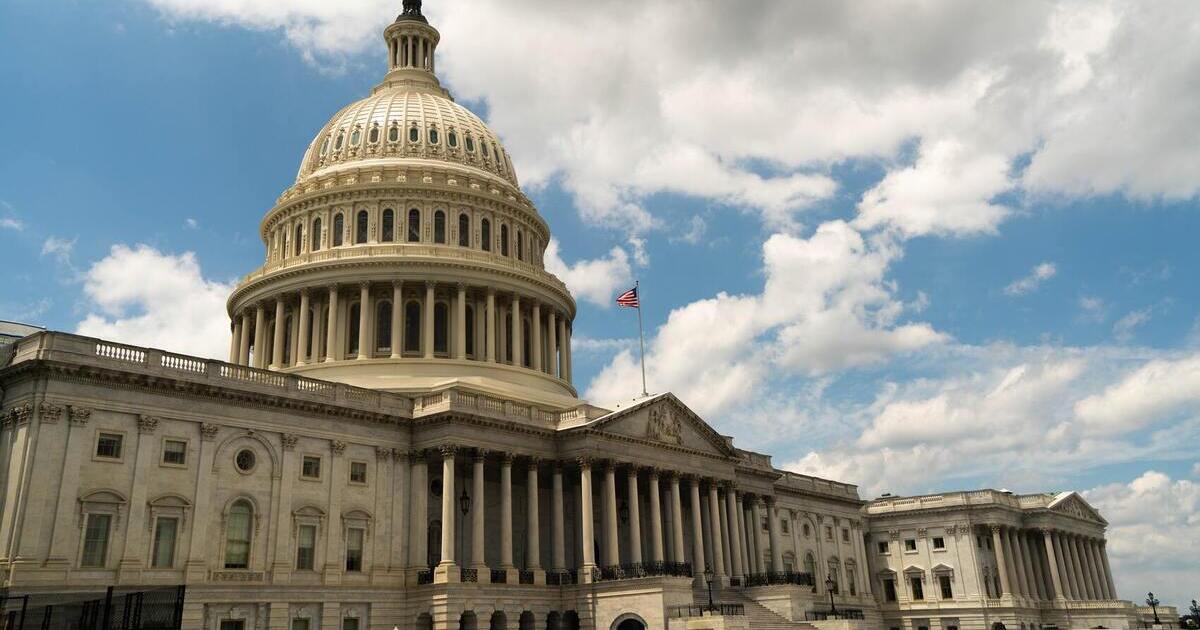
Last week, ACAAI and Advocacy Council leaders held another successful Advocacy Strike Force on Capitol Hill. As the leading voice for practicing allergists in Washington, the College’s annual Strike Force is an important opportunity to educate Congressional offices about the policy issues that are having the greatest impact on our specialty and our patients.
This year’s Strike Force focused on one of the most urgent threats currently facing allergy practices: the increasingly broken landscape of commercial and government payer policies that make it harder for allergists to care for patients and sustain independent practices.
In March, the College held an Advocacy Summit, which convened College and Advocacy Council leaders to strategize and discuss important policy issues. This meeting made clear that commercial and government payer issues are the top challenges facing many allergy practices.
Allergists are facing what many described as a “death by a thousand cuts” from both government and commercial payers. Medicare reimbursement rates continue to decline, with physicians facing at least a 2.5% cut in 2027 absent Congressional action. At the same time, commercial insurers are imposing policies that reduce reimbursement, deny coverage for allergy testing and immunotherapy, and create administrative burdens that interfere with patient care.
ACAAI leadership decided this year’s Advocacy Strike Force would prioritize these issues. It is imperative for policymakers to understand how decisions by insurers greatly impact access to care for their constituents who rely on allergists to treat and manage their healthcare.
Advocating for allergists with the Allergy & Asthma Patient Protection Act
Through a new collaboration with ACAAI Fellow and Congressman Bob Onder, MD (R-MO-3), the only allergist currently serving in Congress, our group set tangible policy solutions we could promote on Capitol Hill.
One day before the Strike Force, the College and the Advocacy Council announced a partnership with Congressman Onder, who will introduce legislation that addresses many commercial payer issues that are unique to the allergy specialty.
The bill, called the Allergy & Asthma Patient Protection (AAPP) Act, is in draft form and awaiting formal introduction in the near future.
If passed, the AAPP Act would require most federally regulated commercial health plans to, among other things:
- Follow the CPT definition of 95165
- Prohibit health plans from discounting reimbursements for CPT Code 95165 if an extract vial – 95165 – contains diluent
- Require that health plans pay for the build-up phase of allergy immunotherapy
- Prohibit health plans from establishing medically unlikely edit (MUE) limits, volume-based reimbursement caps, predetermined aliquot sizes, or other quantitative restrictions that are inconsistent with CPT descriptions or recognized clinical standards of care
- Reimburse skin testing and spirometry on the same day as an office visit
Restrictive payer policies do not just burden practices, they directly threaten patient access to lifesaving asthma and allergy care. These commonsense reforms would protect patient access to allergy care while ensuring allergists are fairly reimbursed for medically necessary services.
During these meetings, Strike Force participants highlighted the many benefits of allergy immunotherapy as a proven, cost-effective, disease-modifying treatment that has been in use for more than 100 years. Many of the Congressional staff members we met with had personal connections to allergies and allergy immunotherapy.
ACAAI leaders brought the concerns of practicing allergists directly to Capitol Hill in more than 40 meetings with lawmakers and key Congressional committees, with the primary goal of building support for the AAPP Act. We are optimistic that these meetings will help secure bipartisan cosponsors for the AAPP Act ahead of its official introduction.
Through efforts such as our partnership with Congressman Onder, the College is leading the fight to protect allergists from harmful payer coverage policies.
The Strike Force participants also discussed other important commercial insurance issues such as denials, recoupments, documentation requests and prior authorizations, which are broadly applicable to all medical specialties. Similarly, we asked Congress to prevent a 2.5% cut to Medicare payments from taking effect in 2027 and to pass sustainable reforms that provide annual inflationary updates to physician Medicare payments.
Lastly, the Strike Force encouraged legislators to support legislation we endorse to improve access to epinephrine, and increase federal allergy research funding.
Our group also received a private tour of the U.S. Capitol Building from Congressman Onder’s office. This tour, which covers many of our government’s most historic events, reinforced the importance of our advocacy work as we seek to make history for our specialty.
Advocating with the Allergy and Asthma Network
Following our successful Strike Force meetings, a larger group of 16 ACAAI member- allergists participated in the Allergy and Asthma Network’s (AAN’s) annual advocacy day. This important partnership — supported by the College and AAN — brings patients and physicians together to advocate for policies that directly benefit allergy and asthma patients and their families.
This 29th AAN advocacy day included 122 advocates from 26 states, who met with 119 different Congressional offices.
AAN’s advocacy focused on issues related to insurance out-of-pocket costs, restrictive coverage policies such as step therapy, and federal funding for allergy and asthma research and public health programs.
ACAAI President Cherie Zachary, MD, FACAAI, delivered remarks during the AAN breakfast that highlighted how the College effectively advances care for allergists and patients through research, education, innovation and advocacy. During the lunch meeting, J. Wesley Sublett, MD, MPH, FACAAI, Chair of the College’s Advocacy Council, addressed the current state of asthma in the United States, challenges related to medication access, barriers to care and potential solutions, along with other issues important to both patients and providers. The Advocacy Council’s Executive Director of Advocacy and Government Affairs, J. Allen Meadows, MD, FACAAI, participated in an expert panel during the AAN lunch briefing on Capitol Hill for AAN advocates and Congressional staff.
See photos from both the College Strike Force Day and the AAN Advocacy Day.
The AAPP Act is currently with the Office of Legislative Counsel, the office in Congress that formally writes policy proposals into official legislative text. Rep. Onder plans to formally introduce the bill once he receives it from Legislative Counsel.
The College will share more information about how allergists can support the AAPP Act after it is introduced and a bill number assigned.
Meanwhile, the College, and our government relations consultants, will continue to support the AAPP Act and our other advocacy priorities through virtual meetings with offices that were not available to meet with us while our Strike Force was on the Hill.
The College Strike Force once again demonstrated in Washington why ACAAI remains the leading advocate for practicing allergists. The College is actively advancing legislative solutions for issues unique to our specialty by building bipartisan relationships on Capitol Hill and ensuring the voice of practicing allergists is heard by policymakers.
As payer pressures continue to intensify, ACAAI will remain aggressively engaged in advocating for allergists and our patients. From advancing the AAPP Act to fighting Medicare cuts and burdensome insurance policies, the College is committed to ensuring allergists have a strong and effective voice in Washington.
The Advocacy Council – ADVOCATING FOR ALLERGISTS AND THEIR PATIENTS